

A Placemaking Journal
The Healthiest, Most Loved Communities Live in Harmony with Nature




 June 22, 2026
I believe to my core that the healthiest, most loved communities live in harmony with nature. Indeed, whether urban, suburban, or rural, whether large or small, whether rich, poor, or something in between, places for people are like ecosystems: they work best for both people and the environment when each of their component parts is healthy and all the parts are working together in a healthy and harmonious way. But today our communities are under enormous stress, and it is more important than ever that we take great care in determining how we shape them for the future.
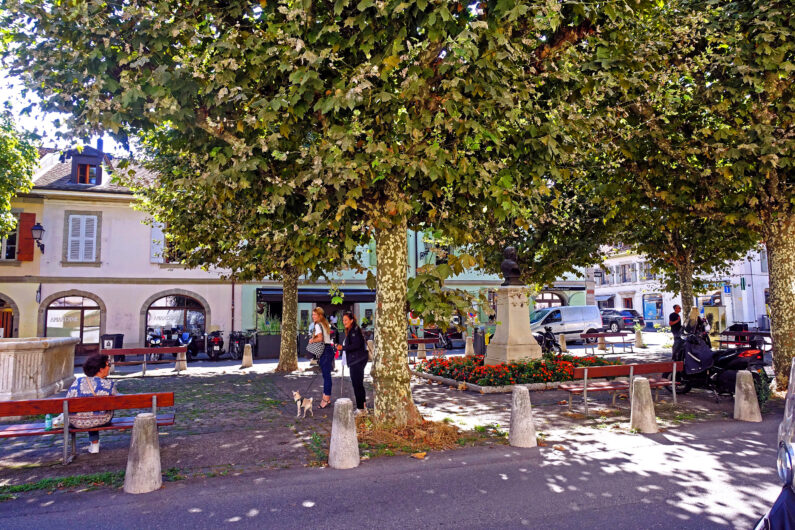
I’ve been fortunate to have had a long career in the environmental field, with the last three decades or so spent studying neighborhoods, cities, and towns, and working on policies and practices that can make them function better for both people and the planet. Along the way, there has been an evolution in the way that many environmentalists think about this issue: We used to think of cities only as a source of environmental problems, but now some of us have come to see them also as a source of environmental solutions, enabling living patterns that reduce pollution and consumption. They also support efficient commerce and, at their best, nurture the human spirit. But how do we maximize cities’ endless potential to support greener, healthier living?
No question fascinates me more. I’ve spent the last several weeks developing a newly conceived and redesigned website dedicated to exploring that great task. It’s called People Habitat, a phrase I picked up from my longtime friend and fellow traveler Trisha White, who has had a distinguished career as a wildlife advocate and believes as I do that one of the best ways to protect natural wildlife habitat is to stop poorly planned suburban sprawl from intruding on it; and one of the best ways to do that is to make great nonsprawling cities and towns that attract people to people places. (BTW, Trisha has a novel out. Take a look!)
A decade or so ago, I wrote a book using Trisha’s phrase as its title, and developed the first People Habitat website to support it. The new site replaces that one, with a broader focus beyond just the book and a much more visual approach.
I’ve always included writing in my work, and I’ve written a lot about many facets of making human settlement as good as possible. But cultivating great, sustainable people habitat is far from a simple matter. I hope those interested in this fascinating set of issues will join me in considering some of their more difficult aspects, the ones where the answers aren’t so clear. While I will always say exactly what I think – or believe I am learning – about these subjects, polemic writing and thinking don’t interest me. The nooks and crannies do. We live in a world of questions as much as answers.
All that said, I’ve come to believe in certain tenets of sustainable placemaking, none being more important than another. I begin with walkable neighborhoods, the foundation of all great cities. Sadly, Americans walk less, drive more, and have higher rates of obesity than residents of peer countries (even including Canada!). This has to change. Making communities walkable means, among other things, striving to have well-connected streets; good pedestrian infrastructure; and, critically, more shops, services and amenities to walk to within safe and convenient walking distance of people’s homes and workplaces.
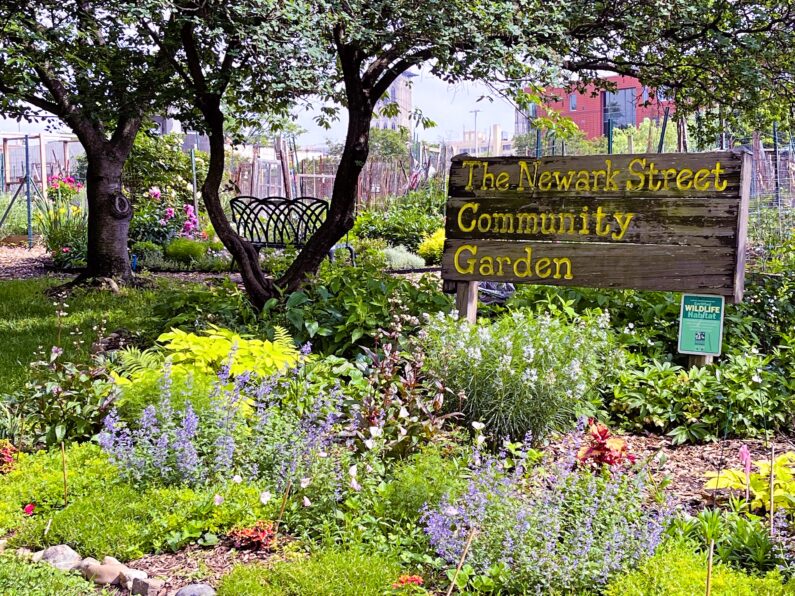
We must also provide an abundance of accessible nature. Nature makes places more beautiful and performs important environmental tasks such as reducing urban heat islands and polluted runoff from storms. In addition, a massive body of research documents its physical and mental health benefits; among other things, people with access to nature live longer than those who lack it, even when the studies are controlled for socioeconomic factors.
Next, we must be much more thoughtful about where to build. Nothing hurts nature and the environment more than poorly planned suburban sprawl. Unfortunately, sprawl is getting worse and worse every year, and much more complicated now with the likes of data centers and warehouses littering the landscape. The remedy is to prioritize new development within the existing metropolitan footprint on vacant and obsolete parcels (think of places such as abandoned big-box stores and parking lots, for example) rather than spreading it across now-unspoiled farms and forests.
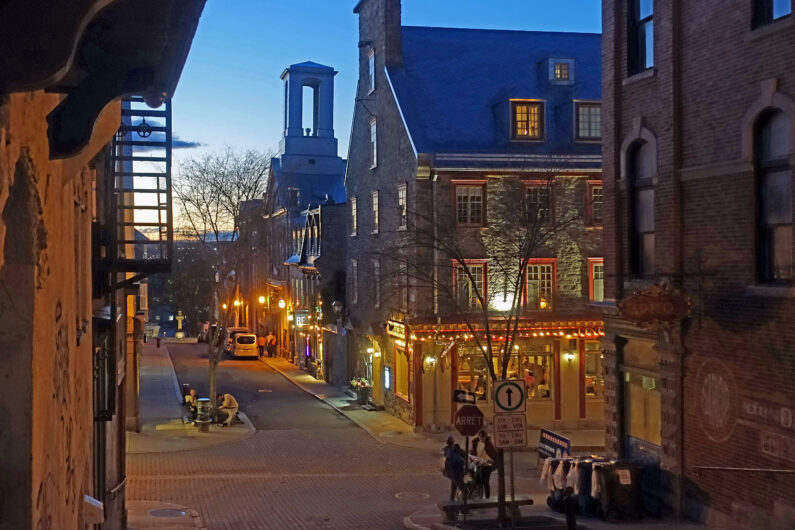
A big part of nonsprawling land development, of course, means embracing the concept of keeping neighborhoods compact with sometimes bringing new development to existing places. But we need not do this with overscaled buildings that overwhelm existing communities; I believe that, in most cases, a more human scale similar to that of our much-loved historic neighborhoods is the way to go.
Speaking of the buildings, today green building advocates seldom pay much attention to community design, and people concerned with city design seldom pay much attention to the environmental characteristics of buildings. In my opinion, that needs to change. And don’t forget that, usually, the greenest building is the one that’s already built; start there. Ultimately, we need to make places that people love. While to many that may be a mushy and elusive concept, we should never lose sight of it. If changes that we make are not lovable, why bother?
While the ecology of the natural world concerns itself primarily with the interdependence of species and the health of ecosystems, the ecology of people habitat concerns itself also with our relationships as humans to each other, and with the health of communities that support those relationships and allow us to flourish.
Thinking spatially, wildlife habitat may be conceived as a realm that starts in a nest or den and extends outward from there. In my mind, people habitat is similar: our domain begins in our homes but also extends outward, to our neighborhoods, our cities or towns, and to the regions beyond. I believe we humans have an opportunity and a duty to make our habitat work better both for us as people and for nature, for the sustainable health of the planet writ large. Let’s get to it.
Excerpted and adapted from the website People Habitat, with over 70 photos of lovable places that work with, rather that against, nature.