


A Placemaking Journal
The Joy of Raising City Kids

 April 30, 2026
Except for two years in grad school, I’ve lived in central cities ever since I graduated from college in the early 1990s. I’ve loved the ability to just walk out my door and go. I feel so unencumbered not needing a car. It’s a very different experience of day-to-day life than I had growing up in a small town in Texas, where almost everything required a car trip. I could walk to my elementary school, to two friends’ houses, and to the K-Mart (in the street because no sidewalks), but that was it. Anything else meant getting in a car.
When I got pregnant with my first child, some people assumed it meant I would move to the suburbs. Isn’t it so inconvenient carting a baby around in a stroller? All that gear you need and errands to run — won’t you need to drive for that? And of course you have to move for the schools.
Now that I’ve had over a decade of living with kids in the city (my oldest is 13 and my youngest 9), I want to tell everyone what an absolute joy it is to raise kids in the city. Seriously y’all, I feel like it’s one of the country’s best kept secrets. So now I’m shouting from my megaphone—raising kids in the city is just fantastic. Here are some reasons why.
Walking to school
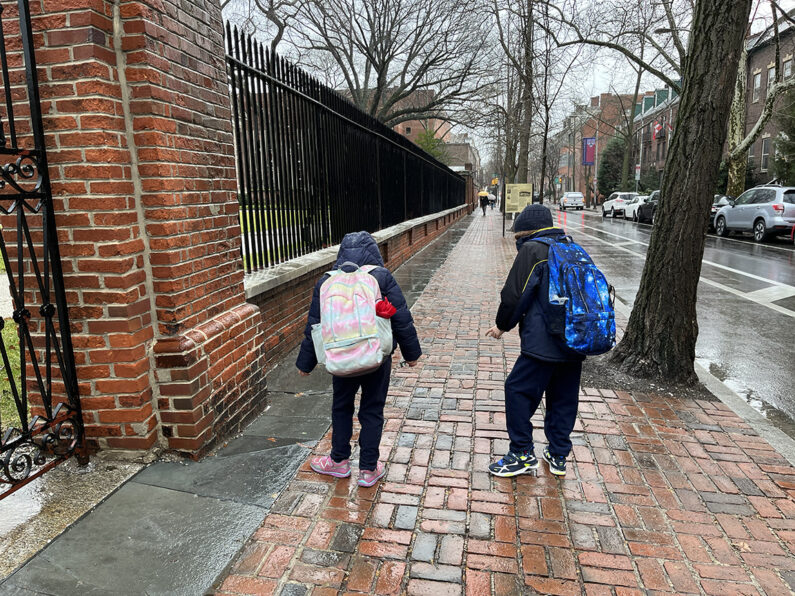
Our neighborhood elementary and middle school is just three blocks away. Walking to school with my kids is a wonderfully sweet and calm way to start the day. The idea of driving and having to drop off in the crazy school car lines sounds pretty stressful. And since I walked my kids to school, I saw the other parents every day, making it easier to chat and get to know them. If I’d just dropped the kids from the car, I would have had to wait for a school event to meet any other parents and wouldn’t have had that casual chatting time. Getting to know other parents turned out to be absolutely crucial when Covid hit, because it meant I knew people well enough to find a pod for homeschooling, which made it much more manageable for me to keep working and also made my kid much less lonely than he would have been on his own. Walking kids to school is one way to find your village.
Amazing school field trips
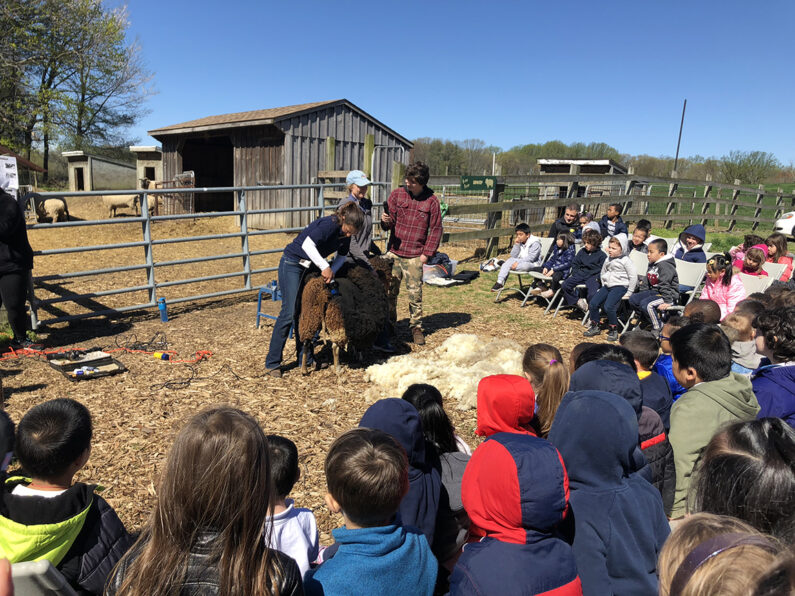
When I was in elementary school, we went on maybe one field trip a year. I’m not sure we even had that many. The only one I actually remember was a visit to a mom & pop taco factory. My kids have gone on four or five field trips every year starting in kindergarten. Plays, musical performances, and museums are all easily accessible, often with the kids walking there from the school. More significant regional venues — like the zoo or the science museum — are just a 15-minute bus ride. And being a big city means more unusual options, even if it takes a bit of a drive. For two years my kids saw sheep shearing at the school district’s high school for agriculture. Last year my middle schooler went to a writing workshop at the University of Pennsylvania. These experiences open up new ideas and possibilities for all of the kids.

Fantastic aftercare and summer camp options
Density has its benefits. Many different aftercare programs pick up from my kids’ elementary school. Gymnastics, art, music, dance, karate, parkour, and play programs all pick up at the school and walk the kids to their venues. And I have even more choices for summer camps. Pretty much any interest you can imagine, including a sewing shop, the Seaport Museum, and a board game café, have summer camp options. Some of them even have transportation. My kids have loved Liberty Lake Day Camp, an old farmstead in New Jersey that for decades now has run an outdoor summer camp (think classic sleepaway camp except without the sleepaway part). They run so many buses one picks up two blocks from my house.
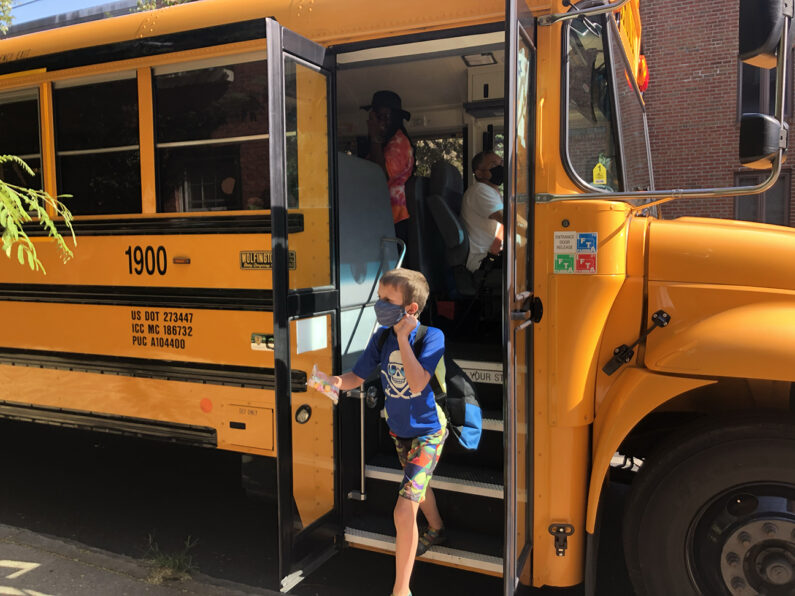
These aftercare and summer camp options are an enormous help to parents with paid employment. I have a good friend who moved to a small town in Pennsylvania when her kids were still in elementary and middle school, and she had a very difficult time working in the summer because there were so few summer camp options.
Now, if someone could just make it so I didn’t have to start signing up for slots in early October, I’d be golden!
Serendipity
One of the great joys of city living is serendipity — running into people you know when you’re out and about. Recently my kids loved seeing me unexpectedly a few blocks from our house: they were headed to the playground, and I was giving a tour to my students. Now, I know from growing up in a small town that running into people happens in driving-oriented places, too. But my kids started experiencing this on their own as soon as they left their infant and toddler daycare. The summer after kindergarten, my son ran into one of his daycare buddies at summer camp. And then at a different summer camp, he ran into someone from the previous summer camp. This has happened over and over again with the swirls of different schools, aftercare programs, and camps. My kids get to experience close, everyday friends as well as occasional but repeated acquaintances. I didn’t have that kind of varied social relationships until I was much older. It makes them feel at home in the world running into people they know in very different places.
Halloween in Cities
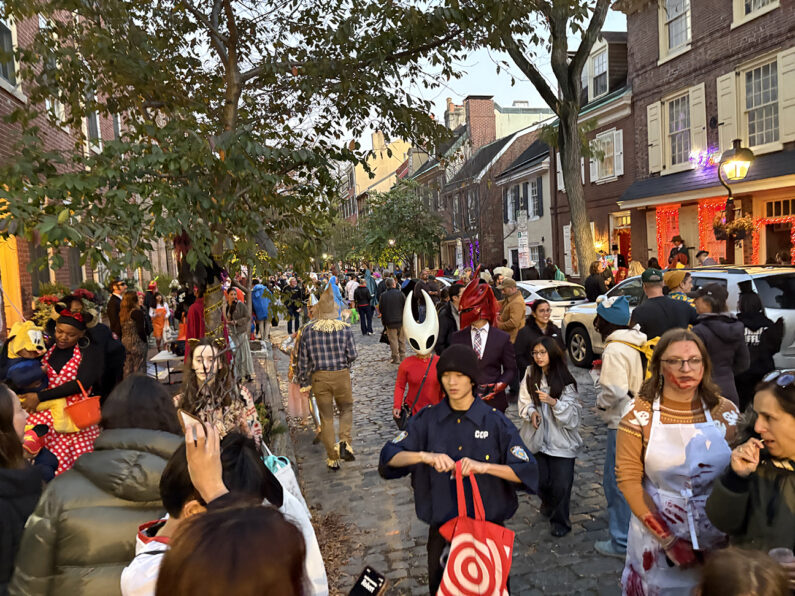
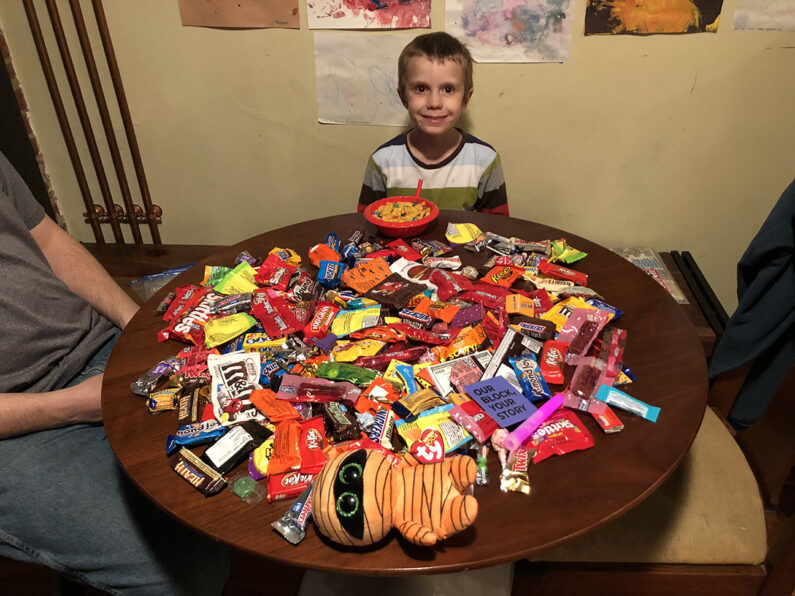
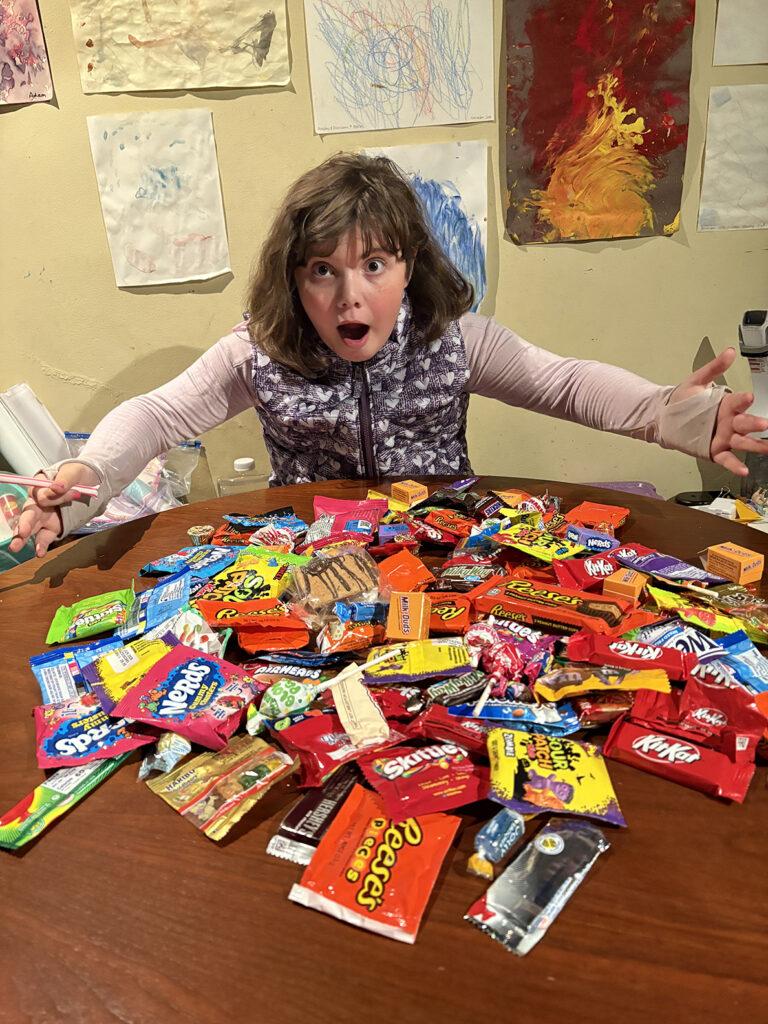
Density is fantastic for Halloween! As a kid growing up, I had the kind of Halloween you often see in sitcoms: walking along the sidewalk (or in the street because there were no sidewalks) in a neighborhood with houses pretty far apart from each other and set pretty far back from the street. I saw some other kids, but never big crowds. And I could be out for a good long while and come home with a small bag of candy. It was fun, but nothing like Halloween in my neighborhood of rowhouses in Philadelphia, where it’s like a big festival. Many of the neighbors on smaller streets have a block party where everyone sits outside giving away candy. It gives trick or treaters easy access and also builds community on the block. Don’t tell, but I even know one block where someone sets up a table to pass out wine to the grownups! The streets are a riot of costumes. And my kids go out for just an hour and have to come home because their candy bag is too heavy!
Playgrounds and Parks
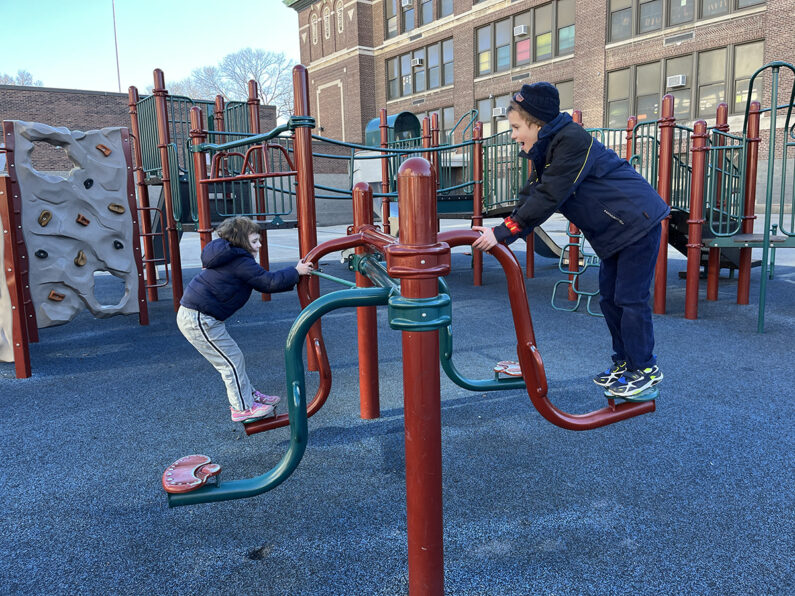
There are four good playgrounds within easy walking distance of my house and even more if we walk farther. Our closest playground is just three blocks away. This proximity makes a difference in so many ways. When the kids were tiny, it was great to get out of the house for just 20 minutes when they were squirrelly after dinner. I’d never have taken them for such a short time if I had to drive 10 minutes to get there, but a 3-minute walk? Sure, no problem!
Because we live in such a dense area, there are always other kids at the playground. And other kids are magic. I often take my kids to playgrounds in other places when we’re traveling. (My #1 traveling-with-kids tip, especially for people with toddlers: get takeout and eat lunch or dinner at a playground. SO much more enjoyable and relaxing than dealing with fussy kids in a restaurant.) In less dense places where people have big yards and have to drive to get to the playground, there are almost never any kids around. My kids like to run around, but they always lose interest in these playgrounds faster than the ones full of other kids.
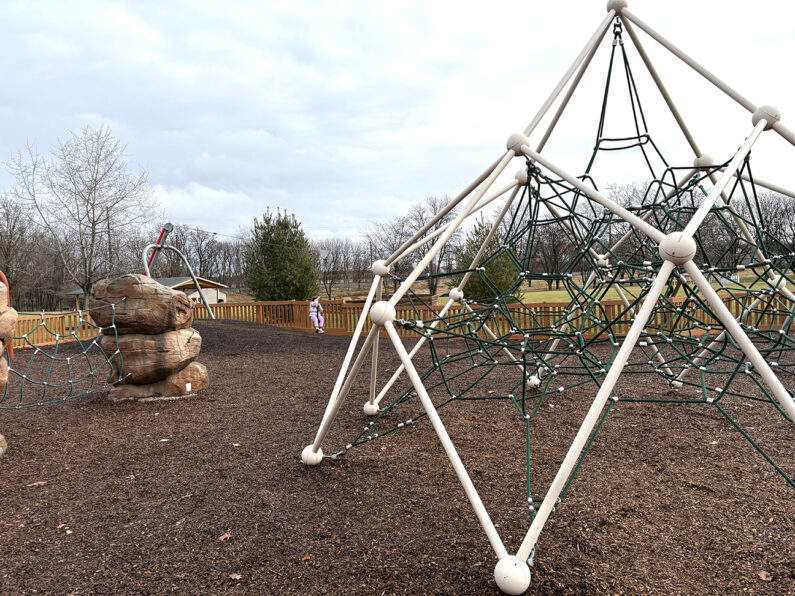
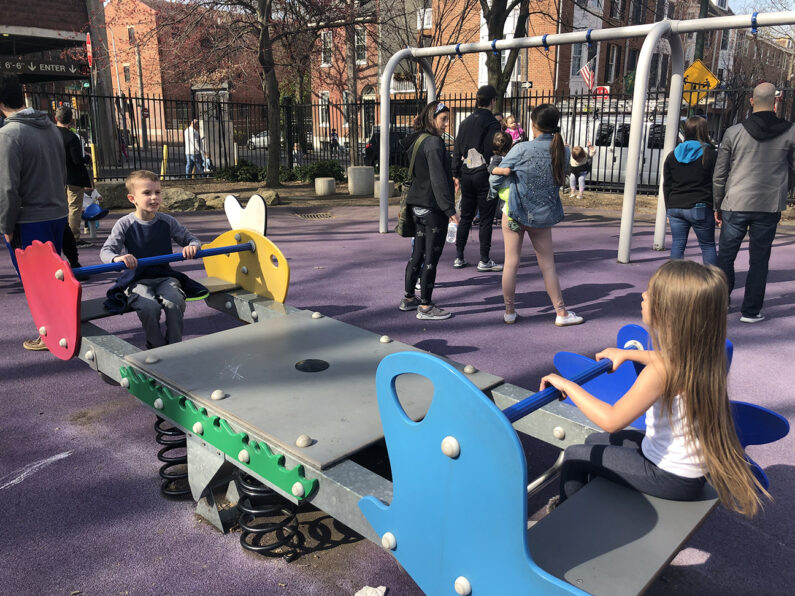
The parks near us are all different. One is quite secluded and has equipment geared to younger kids—that one was a favorite when they were toddlers. One has a water feature and a hill just big enough for sledding. Another is on the edge of a playing field with baseball and soccer leagues — that one only recently became important to us. Another has playground equipment intended for bigger kids. With many playgrounds nearby, kids can grow and change and still have options that fit them.
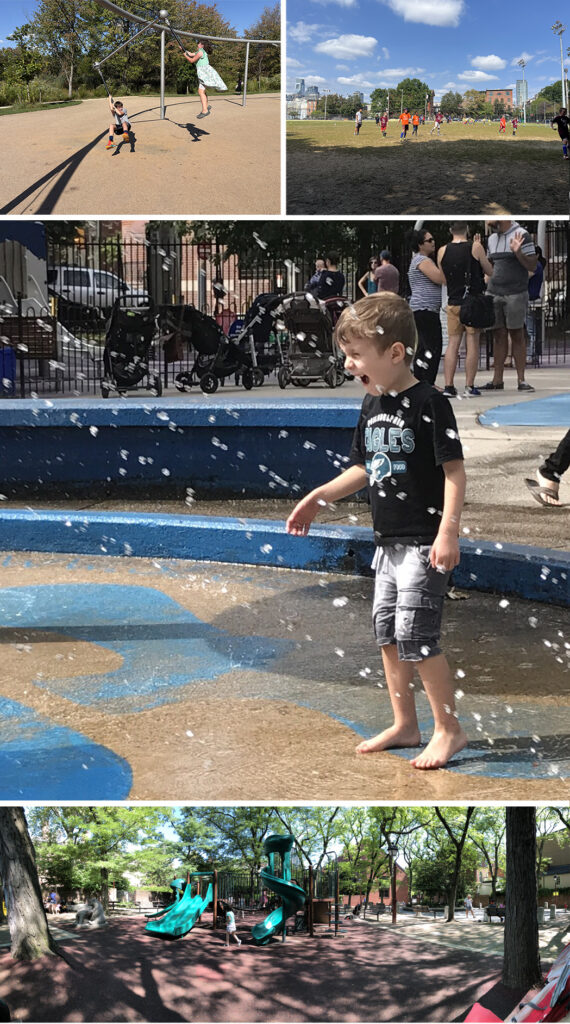
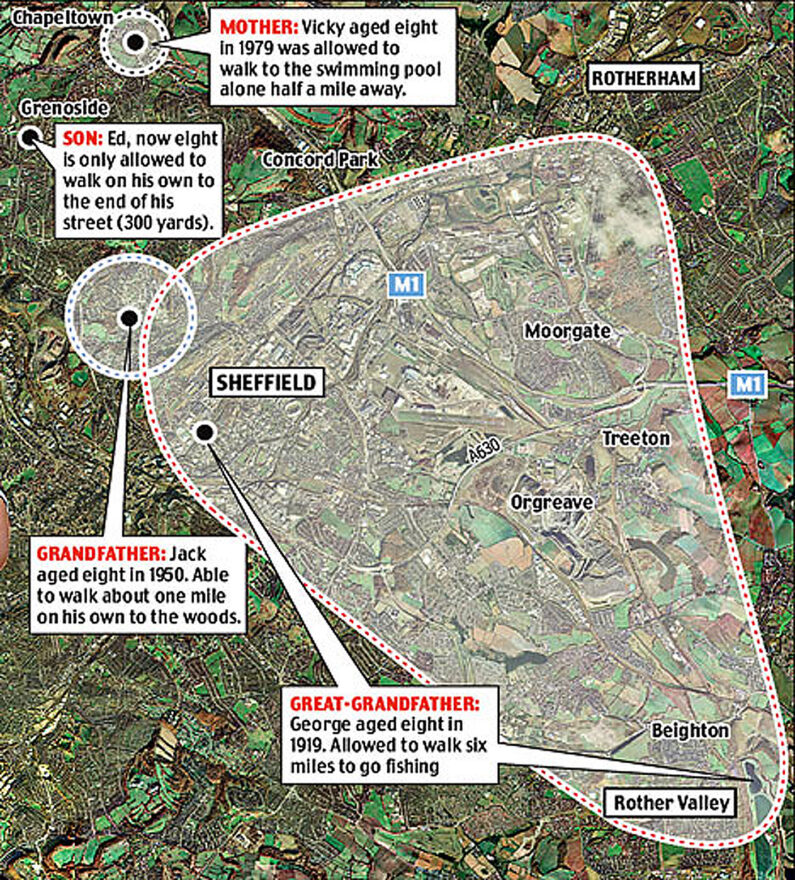
And maybe the best part of having close playgrounds—now my kids are old enough to go by themselves! More than a year ago we started letting them walk to the park three blocks away on their own. They love experiencing the independence and freedom. I love experiencing the independence and freedom. Lots of people talk about how intensive and hard parenting is today. Having kids with just a bit of independence eases some of that burden. And they are getting a small bit of practice in navigating the world on their own. It takes making lots of decisions to build judgement, and kids have to be on their own to get a chance at making decisions.
The corner store
Did your parents ever send you next door to borrow a cup of sugar? Mine did (small town, remember?). I don’t currently know my neighbors that well, but we have a corner store just a block away. After my oldest had some practice waking to the park on his own, I realized I could send him to the store! Oh, joy! Again, he loves the independence, and I love getting help when I realize I don’t have a key ingredient for tonight’s dinner I have already started cooking. I don’t know if I can claim a causal relationship here, but he’s quite an independent problem solver. The last time I sent him to the corner store, they didn’t have what I needed, so on his own he decided to walk three blocks farther to go to the grocery store. And saved dinner in the process!
So what does this mean for planners and urban designers?
There are some basic features of my neighborhood that make this joy possible, and sadly, most of them are prohibited or very uncommon in new neighborhoods today. Here are some of the features that planners and advocates should push for:
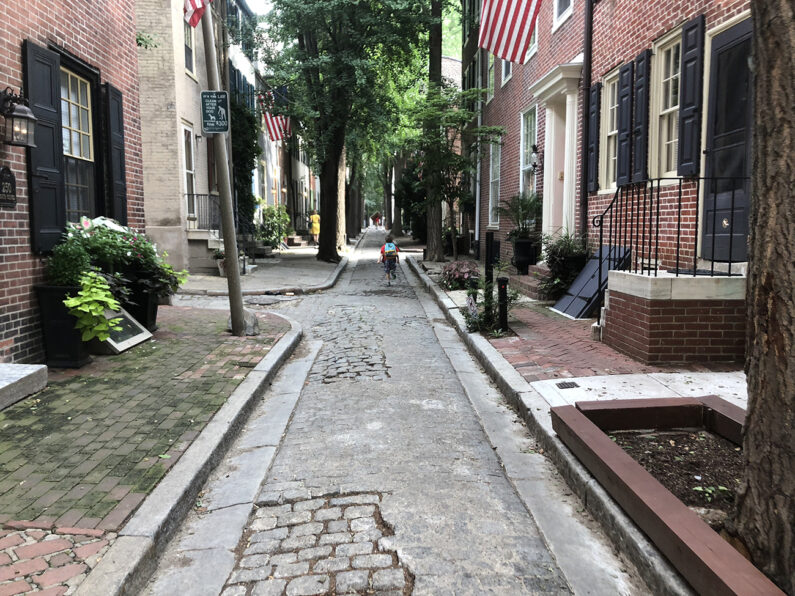
Safe streets: Center City Philadelphia has fantastic small streets with a small number of travel lanes, narrow travel lanes, on-street parking, and tight turning corners. All of these features slow the traffic, which makes walking much safer. If I lived near big streets with fast traffic, I’d never let kids this age walk on their own.
Parks nearby: Having parks and playgrounds close enough for a short visit or kids going on their own is key to the joy. The SmartCode calls for a playground or park within 800’ of every residence, and that’s a great standard to aim for. This also means that we need small parks. Large regional parks are important for organized sports and natural habitat, but small local parks are crucial for everyday life.
Mix of uses: People can only walk to everyday activities if there are many different kinds of uses nearby. Corner stores, groceries, schools, parks and playgrounds, and daycare and aftercare programs are all everyday needs for families with children. Restaurants, coffee shops, doctor’s offices, and drug stores give even more options.
Small schools: There has been a long-term trend towards larger schools, even at the elementary level. Larger schools have some benefits (a wider range of curricular options, lower administrative overhead, more concentrated maintenance needs). But large schools require lots of students to arrive by vehicle. Small schools enable a larger percentage of students to walk, which helps build community among parents. That school community also creates bonds across the neighborhood. People are used to thinking of negative spillover effects, but this is an example of a positive spillover.
The Joy
I read so many things about how difficult it is to be a parent and how hard it is to balance work and kids’ activities. And many people still assume that having kids requires an inevitable move to the suburbs. I hope that with this love letter, I have shared with you the joy of raising kids in the city and how it can bring more independence, for both kids and parents.